RARE featurng Tassos Georgiadis, Senior Vice President of Discovery and Preclinical Development at MeiraGTx
by Laura Hulley
July 29, 2026
Share
Gene therapy has undergone a remarkable transformation over the past decade, evolving from an emerging scientific concept into a clinical reality for patients with previously untreatable diseases. In this episode of RARE, Laura Hulley speaks with Tassos Georgiadis, Senior Vice President of Discovery and Preclinical Development at MeiraGTx, to explore the company's approach to gene therapy development, the scientific challenges of translating discovery into viable treatments, and what the future holds for rare disease innovation.
With more than 20 years of experience in gene therapy research, particularly in ocular and central nervous system disorders, Tassos shares why the work happening at the discovery and preclinical stage is critical to improving the likelihood of success in the clinic and ultimately delivering life-changing therapies to patients.
From Discovery to Commercialisation
As a molecular biologist by training, Tassos has spent over two decades developing gene therapies using adeno-associated virus (AAV) vectors. Having joined MeiraGTx eight years ago, he has helped build a company that integrates every stage of gene therapy development under one roof.
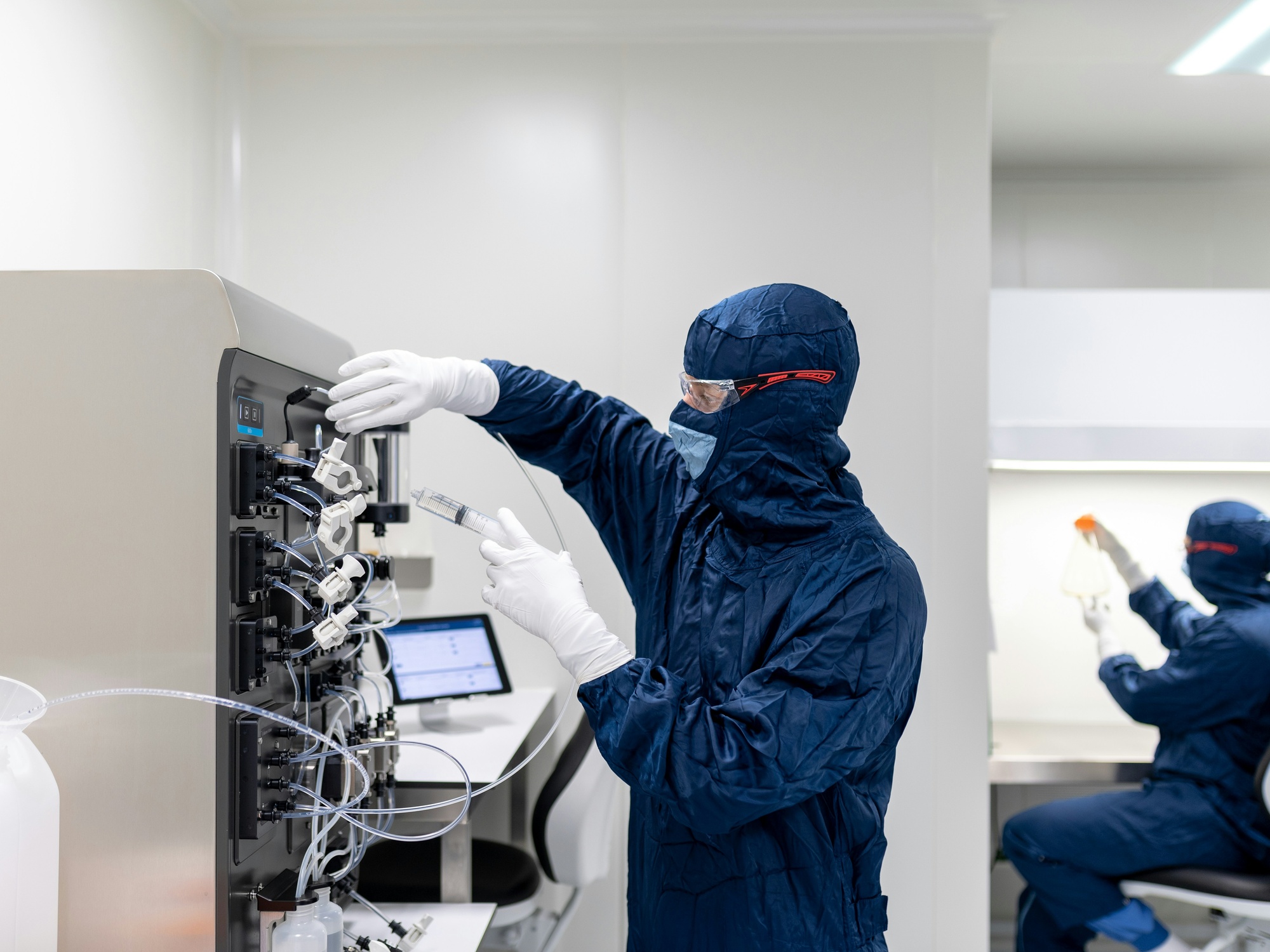
From early discovery and preclinical research through to process development and GMP manufacturing, MeiraGTx's vertically integrated model enables greater control over quality, timelines and manufacturing costs.
This integrated approach is becoming increasingly important as the company prepares for its next major milestone.
"Over the past ten years we've opened several INDs and progressed programmes from Phase 1 and Phase 2 all the way to Phase 3 clinical studies," Tassos explained. "Now we're gearing up to become a commercial-stage company."
The coming year represents a significant step forward, with three programmes expected to move towards commercialisation while the company continues to expand its pipeline across ocular, CNS and salivary gland indications.
Improving the Probability of Success
One of the central themes of the discussion was the importance of increasing the probability of success long before a therapy reaches clinical trials.
For Tassos, success begins in discovery.
Rather than focusing solely on designing the optimal gene therapy, equal emphasis must be placed on how that therapy is tested.
"We use a variety of platforms, both in vitro and in vivo," he explained. "You can design multiple versions of your gene therapy, but in the end it's where you test them that informs efficacy and safety."
MeiraGTx combines traditional disease models with emerging technologies such as organoids and multi-species testing platforms, enabling researchers to better predict how therapies will perform in patients.
Importantly, this work also informs the company's Chemistry, Manufacturing and Controls (CMC) strategy. Assays developed during preclinical research help demonstrate potency and consistency - critical components of the regulatory dossier required for clinical approval.
By considering efficacy, safety and manufacturability from the earliest stages of development, MeiraGTx aims to reduce risk throughout the drug development process.
Building a Toolkit for the Future
Although MeiraGTx is approaching commercialisation with several advanced programmes, innovation within the company continues at pace.
Rather than developing individual therapies in isolation, Tassos described how the discovery team is creating a flexible technology platform that can support multiple future programmes.
This includes engineering new AAV capsids, developing novel promoters and refining vector genomes to improve both safety and efficacy.
The aim is to create what Tassos describes as a "plug-and-play toolkit", a collection of technologies that can be applied across different disease areas to accelerate future gene therapy development.
These innovations are already attracting significant industry interest.
Recent collaborations, including a partnership with Eli Lilly, demonstrate the value of MeiraGTx's vector engineering expertise and reinforce the company's reputation as a leader in ocular gene therapy technology.
Alongside its commercial pipeline, the company continues to develop next-generation programmes targeting both rare and more common ocular and CNS disorders, with new data expected to be presented at upcoming scientific conferences and in peer-reviewed publications.
The Evolution of Gene Therapy
Reflecting on the wider field, Tassos highlighted just how rapidly gene therapy has progressed.
Less than a decade has passed since the approval of the first in vivo gene therapy for an inherited retinal disease, yet today there are multiple approved gene therapies treating conditions that were once considered impossible to address.
"I think this is a testament to the field," he said. "We are now treating debilitating disorders that were absolutely impossible to treat previously."
The next phase of progress, he believes, will focus on improving translation between laboratory research and patient outcomes.
By engineering more predictive vectors and developing technologies that perform consistently across preclinical models and humans, researchers can continue to improve confidence in both efficacy and safety before therapies enter the clinic.
Earlier Intervention Will Transform Outcomes
One of the most compelling themes of the discussion centred on timing.
For many severe genetic disorders, the window of opportunity for effective treatment is incredibly short. Evidence generated across multiple clinical studies increasingly shows that earlier intervention leads to significantly better outcomes.
"The earlier we intervene, the better for the patient," Tassos explained.
As regulatory agencies continue to gain confidence in gene therapies and streamline approval pathways, he expects to see a growing number of therapies approved for use in paediatric patients.
Earlier diagnosis, combined with earlier treatment, has the potential to dramatically improve outcomes for children born with rare genetic diseases.
Tassos believes this will become one of the defining trends of the next decade.
Looking Ahead
While significant scientific and regulatory challenges remain, Tassos is optimistic about the future of gene therapy. He believes the industry's growing clinical success is creating momentum that will lead to faster regulatory pathways, greater confidence in emerging technologies and ultimately more treatment options for patients living with rare diseases.
For companies like MeiraGTx, maintaining scientific rigour remains the priority.
"If we are confident that the therapies we bring to the clinic are efficacious and safe," he said, "everything else will follow."
With a growing commercial pipeline, expanding technology platform and continued investment in next-generation innovation, MeiraGTx is positioning itself at the forefront of gene therapy development.
For patients and families affected by rare diseases, that progress represents something even more meaningful: the possibility of treatments where none previously existed and renewed hope for the future.
Thank you to Tassos for sharing his experience and insights into the world of gene therapy.
Have a story to share or want to discuss the latest developments in rare diseases? Reach out to Laura at L.Hulley@sciproglobal.com
Ready to find a new role? Or, looking for fresh talent?
We are a trusted partner for every step from Discovery through to Development. So, no matter where you are in your journey, we're here to help you make a difference. We are a trusted partner for every step from Discovery through to Development. So, no matter where you are in your journey, we're here to help you make a difference.