AI is already changing the way healthcare is delivered, but the real test comes when a product moves beyond the demo and into a clinical setting. Can it fit the way clinicians actually work? Can it be trusted? And can it improve care without adding more complexity?
Those questions were at the centre of NXGN’s The Future of Healthcare, held at Hale House in London to launch its 2026/27 season. SciPro supported the evening as an official event partner, with Ellis Ward, Head of Digital Health for Europe, moderating a panel of leaders from across healthcare and technology.
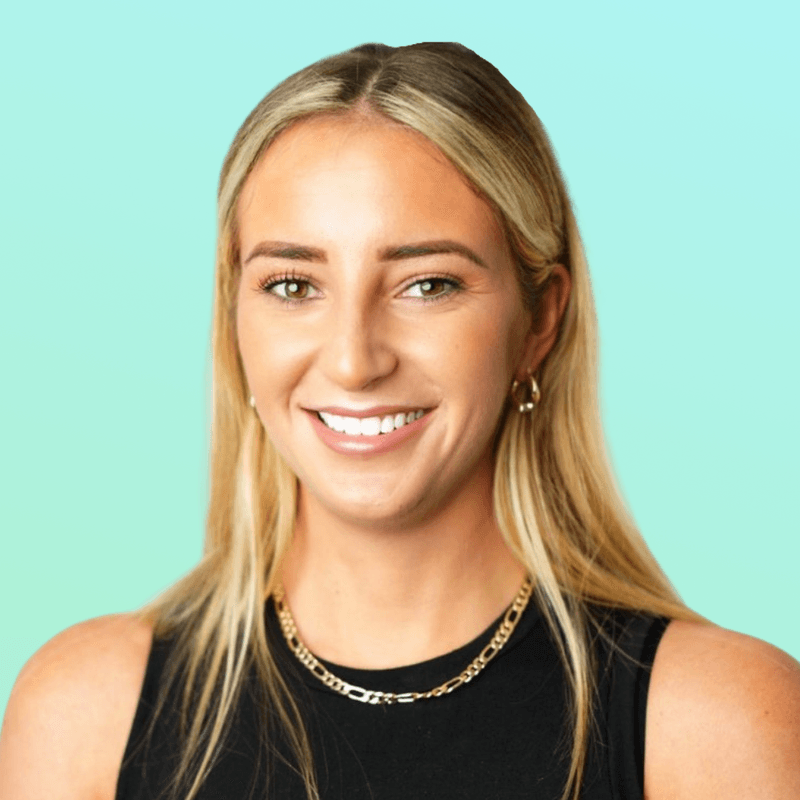
Following the event, Ellis shared the ideas that stayed with her most and what she believes needs to happen next for AI to make a meaningful difference in practice.
What were the main topics covered during the discussion?
The discussion centred on how AI is moving from hype to real-world clinical impact. While technologies such as ambient AI, clinical copilots and human digital twins are already transforming healthcare, the panel agreed that success depends on far more than building great products. Adoption, interoperability, integration into clinical workflows and trust are now the biggest challenges. The conversation highlighted the importance of structured, high-quality data, robust regulation, continuous post-market monitoring and ensuring AI is equitable and representative. Above all, the panel reinforced that AI should enhance - not replace - clinical decision-making, and that the future of healthcare will be built through collaboration between clinicians, founders, regulators and technology leaders.
Was there a particular point or insight that stood out to you?
Benedikt made a compelling point that shifted the conversation beyond productivity. AI scribes shouldn't be viewed simply as a time-saving tool, but as a way of reducing the cognitive burden clinicians carry every day - helping them make better-informed decisions while improving the overall quality of care.
Were there any areas where the panellists had different views?
One of the most interesting debates centred on whether the future of healthcare AI will be driven by large foundation models or specialist, clinically validated AI products. While there were differing perspectives across the panel, the consensus was that the future is unlikely to be one or the other. Foundation models have enormous potential as the underlying intelligence layer, but healthcare demands solutions that are purpose-built, rigorously validated and capable of operating safely within specific clinical workflows. The discussion also highlighted the need to rethink how we evaluate AI. Traditional evidence generation and clinical validation frameworks are often too slow for technology that evolves rapidly, creating a need for more efficient, continuous approaches to assessing safety, effectiveness and real-world impact without compromising patient trust.
What was the biggest takeaway from the evening?
The future of healthcare isn't something that's decades away - it's already being built. From AI scribes and precision medicine to digital twins and fairer AI models, the technology is here. The real challenge now is earning trust, generating evidence, and embedding these innovations into everyday clinical practice.
Why do you think conversations like this are important for the Digital Health community?
Events like this are so important because the future of healthcare won't be shaped by technology alone - it will be shaped by the people building, implementing and using it. Bringing together clinicians, founders, researchers, investors, operators and innovators creates the opportunity to challenge ideas, share different perspectives and learn from one another.
It's also incredibly important that digital health doesn't adopt the "dog-eat-dog" mentality we sometimes see in other technology sectors. There is simply too much at stake. When the end goal is improving patient outcomes, collaboration should always outweigh competition. The organisations that will have the greatest impact are those willing to work together, share knowledge and collectively solve healthcare's biggest challenges.